
Why Is My Hair So Frizzy?

Why Is My Hair So Frizzy? A Question Every Hair Type Asks
Straight, wavy, curly, or coily — frizz isn't one problem with one cause. Here's what's actually happening to your strands, answered question by question.
What Is Frizz — and What's Actually Happening to the Hair?
What does "frizzy" actually mean on a strand level?
A. Frizz is what happens when the cuticle — the overlapping, shingle-like outer layer of each hair strand — lifts away from the shaft instead of lying flat and smooth. When the cuticle is raised, light doesn't reflect off the hair evenly, which is why frizzy hair looks dull and rough rather than sleek. A lifted cuticle also has gaps, and hair uses those gaps to pull in excess water vapor from the air, swelling the strand and disrupting its natural pattern — whether that pattern is stick-straight, wavy, curly, or coiled.
Is frizz a sign of damage?
A. Not always, but damage makes it worse. Even healthy hair can frizz when it meets humidity or friction. Hair that's been over-processed, over-heated, or chemically treated has a rougher, more porous cuticle to begin with, so it absorbs atmospheric moisture faster and frizzes more dramatically than hair with an intact cuticle layer.
Why Does Hair Get Frizzy in the First Place?
What are the most common causes of frizz?
A. Six factors show up again and again, regardless of hair type: humidity, which seeps into a lifted cuticle and swells the strand; dehydration, which makes hair actively seek out water from its surroundings; heat and chemical damage, which roughens the cuticle and exposes more surface to moisture and friction; friction from cotton pillowcases, towel-rubbing, or rough brushing; overwashing, which strips the natural oils that would otherwise smooth the cuticle down; and the wrong products — heavy silicones that mask frizz short-term but build up over time, or alcohol-heavy formulas that dry hair out further.
Good to know: frizz isn't just a "curly hair problem." Any hair type can frizz the moment its cuticle loses that flat, sealed structure — the trigger is just different depending on your texture, porosity, and environment.
Does Frizz Look Different on Every Texture?
Why does straight hair get frizzy?
A. Straight hair has the most direct path for scalp oils to travel down the shaft, so it's usually the least dry hair type — but it's also the most likely to be washed daily and the most likely to see regular heat styling, both of which roughen the cuticle over time. Straight hair frizz tends to show up as flyaways and static rather than the diffuse halo seen on curlier textures.
Why does wavy hair get frizzy?
A. Wavy hair sits between straight and curly: drier than straight hair since oils travel a longer, bendier path down the shaft, but with a looser bend than curly hair, so individual waves separate and frizz more easily when disturbed. Minimal manipulation once styled helps the wave pattern set instead of breaking apart.
Why does curly hair get frizzy?
A. Curly hair grows from an oval-shaped follicle rather than a round one, which gives the strand its natural bend but also means scalp oil has a much harder time coating the hair evenly from root to end. That built-in dryness makes curly hair naturally more porous and more prone to grabbing moisture from the air.
Why does coily hair get frizzy?
A. Coily hair has the tightest zig-zag pattern of any texture and the fewest cuticle layers protecting each strand, making it naturally the driest hair type. Oil has the longest, most twisted path to travel, so it rarely reaches the ends without help — leaving coily hair chronically thirsty for moisture and highly reactive to humidity.
Why Does Humidity Specifically Trigger Frizz?
Why does my hair frizz the moment I step outside on a humid day?
A. Hair is hygroscopic, meaning it naturally absorbs moisture from its environment. On a humid day, there's more water vapor in the air than inside the hair shaft, so strands pull that moisture in through any lifted or porous sections of cuticle. The hair swells unevenly, disrupting whatever pattern it was styled into — straight hair kinks and puffs, waves and curls lose their shape and expand.
Can I stop humidity from affecting my hair at all?
A. You can't change the air, but you can change what your cuticle lets in. Sealing the hair shaft with the right finishing product creates a barrier that blocks excess water vapor from penetrating the strand, which is the mechanism behind most humidity-resistant sprays and finishing mists. We make two of them: the Superior Blowout Mist before drying and the Anti-Humectant Spray as a finishing shield.
How Do I Stop Frizz for Good?
What's the single most effective habit for reducing frizz, regardless of hair type?
A. Keep the cuticle sealed and hydrated. That means applying styling product to damp — not soaking, not fully dry — hair so it can coat each strand evenly; skipping daily shampooing so natural oils have time to smooth the cuticle; swapping rough towel-drying for gentle blotting with a microfiber towel; and finishing with a lightweight barrier product that locks moisture in instead of letting the air pull it back out.
Should I use different products depending on my hair type?
A. The layering order matters more than most people realize, but the principle is the same across textures: hydrate first, seal second. Straighter, finer hair typically needs lighter, weightless formulas to avoid looking greasy, while curlier and coilier textures can usually handle richer creams and oils without losing volume. Everyone benefits from a final humidity-blocking step, especially before heat styling or heading into a humid environment.
"Frizz control isn't one product — it's a sequence. Hydrate first, seal second. Skip either step and humidity wins."
— Luis Pacheco, hair expert and TO112 founder.Frizzy Hair FAQ
Can frizz be permanently fixed?
A. Not permanently, but it can be reduced consistently enough that it stops feeling like a daily battle. Because frizz is a reaction to environment and manipulation, ongoing care rather than a single fix is what keeps it under control.
Does frizzy hair mean my hair is unhealthy?
A. Not necessarily — even healthy hair frizzes in high humidity or after friction like towel-drying. Frizz signals a temporarily lifted cuticle, not a permanent verdict on hair health.
Is oily hair less likely to frizz?
A. Generally yes — natural oil coats the cuticle and helps it lie flat, which is part of why straight, fine hair frizzes less than drier textures like curly or coily hair.
Why does my hair frizz more in winter?
A. Cold air holds less moisture and indoor heating dries it out further, so hair loses hydration and becomes more porous — which paradoxically makes it grab available moisture unevenly, causing static and frizz.
What ingredient should I avoid if I want to reduce frizz long-term?
A. Heavy, non-water-soluble silicones are worth watching. They smooth frizz temporarily by coating the strand, but buildup over time blocks moisture from getting into the hair, leaving it drier and frizzier.
The Takeaway
Frizz isn't a flaw in your hair type — it's your cuticle responding to dryness, friction, damage, or humidity in the air. Straight, wavy, curly, and coily hair all frizz for slightly different reasons, but the fix is the same everywhere: protect the cuticle, keep the strand hydrated, and seal out excess moisture before it has a chance to get in.
What Actually Helps Frizz
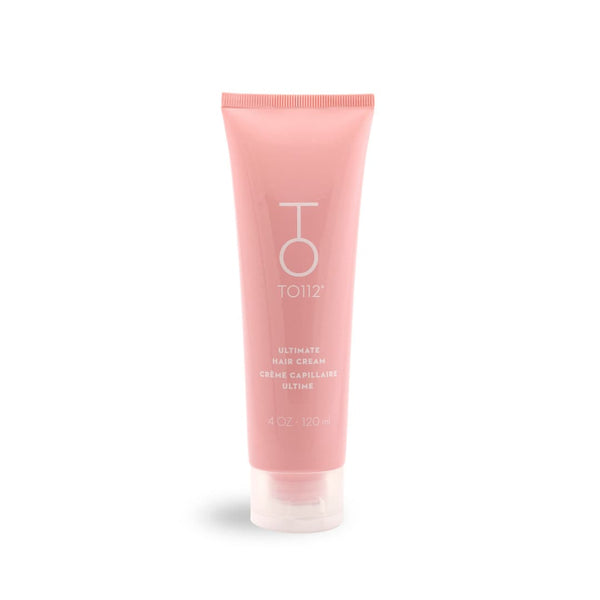
Ultimate Hair Cream
A leave-in styling cream that smooths the cuticle, seals in moisture, and tames flyaways on every hair type.
Shop Now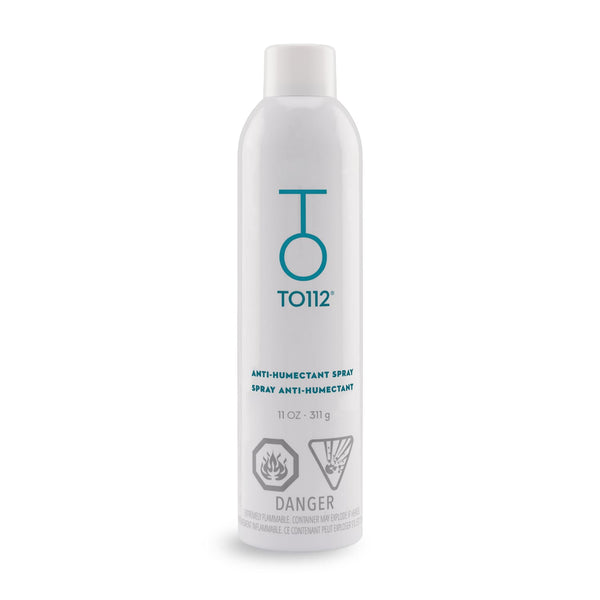
Anti-Humectant Spray
An invisible, no-hold last-step mist that seals the cuticle and blocks humidity from causing frizz all day.
Shop Now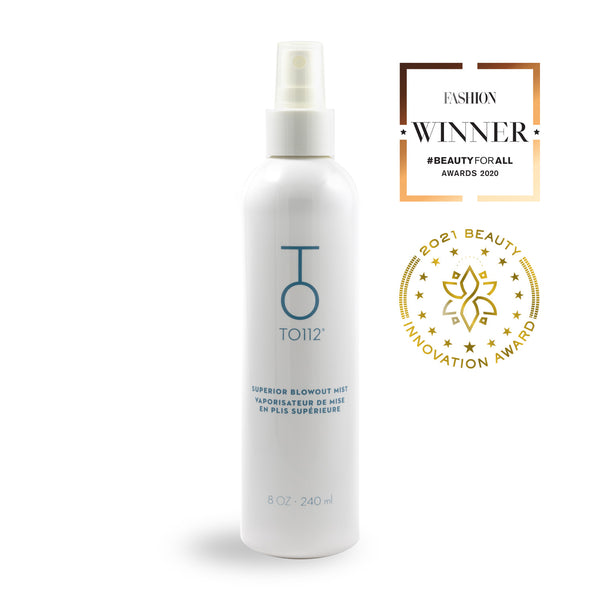
Superior Blowout Mist
A heat-activated humidity shield that locks in glass-like shine for frizz-free blowouts that last through washes.
Shop Now


