
Is Air Drying Actually Better for Your Hair?

Is Air Drying Actually Better for Your Hair? The Answer Is More Complicated Than You Think
By Fiona Pincente · 6 min read
You ditched the blow dryer. You’re letting your hair dry naturally. You feel good about it. But what if air drying isn’t the straightforward win you think it is — and what you do while your hair is wet matters just as much as the heat you’re avoiding?
The Counterintuitive Truth
Does air drying damage hair?
Yes — it can. This isn’t a scare tactic. It’s biology. When your hair stays wet for an extended period, the cortex — the structural core of every strand — swells repeatedly as water moves in and out through the cuticle. This repeated swelling and shrinking puts mechanical stress on the hair from the inside out.
A 2011 study published in the Annals of Dermatology found that while blow drying at a set distance caused surface damage, hair that was left to dry naturally showed significantly more damage to the cortex — the inner layer responsible for strength and elasticity. So “natural” doesn’t automatically mean “gentle.”
of the hair strand is cortex — the layer most at risk from prolonged wetness
hair can expand up to 8× its volume when fully saturated with water
the safe “wet window” before osmotic stress begins to accumulate
The Science
What actually happens to your hair shaft when it stays wet too long?
Two key processes are at work: hygral fatigue and osmotic swelling.
Hygral fatigue occurs when hair is repeatedly saturated and dried without support — the cuticle (your hair’s protective outer layer) lifts, cracks, and eventually breaks down. Moisture floods the cortex, causing it to expand. As the hair dries and contracts again, the structural proteins inside experience micro-tears. Over time, this leads to brittleness, breakage, and loss of natural elasticity.
Osmotic swelling is especially damaging for chemically treated, bleached, or fine hair — where the cuticle is already compromised and internal proteins are more vulnerable to moisture-driven stress.
The takeaway: it’s not that air drying is bad — it’s that unsupported air drying is. Hair left completely bare and soaking wet for long periods is under more structural stress than hair dried quickly with a low-heat diffuser, or hair that’s been coated with a protective leave-in cream before air drying begins.
Hair Type Breakdown
Fine, coarse, and curly: is air drying better for your hair type?
Fine Hair
Proceed with caution
Fine strands have a thinner cuticle layer, making them more vulnerable to hygral fatigue. Air drying works — but always with a lightweight leave-in cream to buffer moisture absorption and reduce swelling stress.
Coarse Hair
Well suited, with support
Thicker strands hold structure better under repeated swelling cycles. Air drying is generally safe, but coarse hair takes much longer to dry — increasing total wet exposure and the risk of prolonged moisture damage.
Curly Hair
Ideal — with technique
Curl patterns are best preserved by air drying. Heat disrupts the hydrogen bonds that define your curl shape. But curl-type hair is also typically drier and more porous — making a moisturizing leave-in non-negotiable before you let it set.
Technique Matters
Does how you air dry matter as much as the fact that you’re air drying?
Significantly, yes. The decision to skip heat is only the first variable. What you do in the five minutes after stepping out of the shower shapes your hair’s entire drying experience.
-
Blot, don’t rub.
Aggressive towel-drying roughens the cuticle and causes mechanical breakage while hair is at its most vulnerable — wet hair stretches more and snaps more easily.
-
Apply a leave-in cream immediately.
A protective film around each strand buffers osmotic swelling and reduces moisture-driven cortex stress. This is the single most impactful step in a healthy air-dry routine.
-
Comb gently from ends to roots.
Never brush wet hair. Use a wide-tooth comb or your fingers to distribute product without pulling on swollen, elastic strands.
-
Let air move.
Static, humid environments slow drying and extend wet exposure time. A gentle fan, open window, or simply moving around helps hair dry faster without any heat.
Professional Perspective
What do hairstylists actually say about air drying every day?
“I never tell clients to just let their hair air dry and leave it at that. It’s not a passive process. How you prep your hair before it dries determines whether you’re protecting it or slowly breaking it down.”
— Luis Pacheco, hair expert and TO112 founder
Most stylists agree: air drying is a legitimate, healthy choice — but it requires intentional preparation. Without a barrier product applied while hair is still damp, you’re giving moisture free, uncontrolled access to your hair’s internal structure for however long it takes to dry. For someone with thick hair, that could be two to four hours of unprotected osmotic exposure.
The stylists who advocate most strongly for air drying are also typically the ones who are most insistent about applying leave-in products first. The two aren’t in conflict — they’re inseparable.
Common Question
Does air drying cause more breakage than heat styling?
Not necessarily — but the mechanisms are different. Heat styling causes surface damage: the cuticle can scorch, proteins denature, and moisture evaporates rapidly. Air drying causes internal damage: the cortex swells repeatedly, weakening the structural proteins that give hair its tensile strength.
The answer to which is worse depends on your hair’s existing condition, your heat tool habits, and crucially — whether you’re protecting your hair during the drying process either way. Unprotected air drying on damaged or porous hair can absolutely cause more cumulative breakage than careful, low-heat blow drying.
The real answer isn’t “heat vs. no heat” — it’s “protection vs. no protection.”
The Solution
The leave-in that makes air drying actually work
If there’s one product that bridges the gap between “air drying sounds healthy” and “air drying actually is healthy,” it’s a quality leave-in styling cream applied to damp hair. It creates a protective barrier around each strand, reducing how much water penetrates the cortex — and by extension, reducing osmotic swelling, hygral fatigue, and breakage risk.
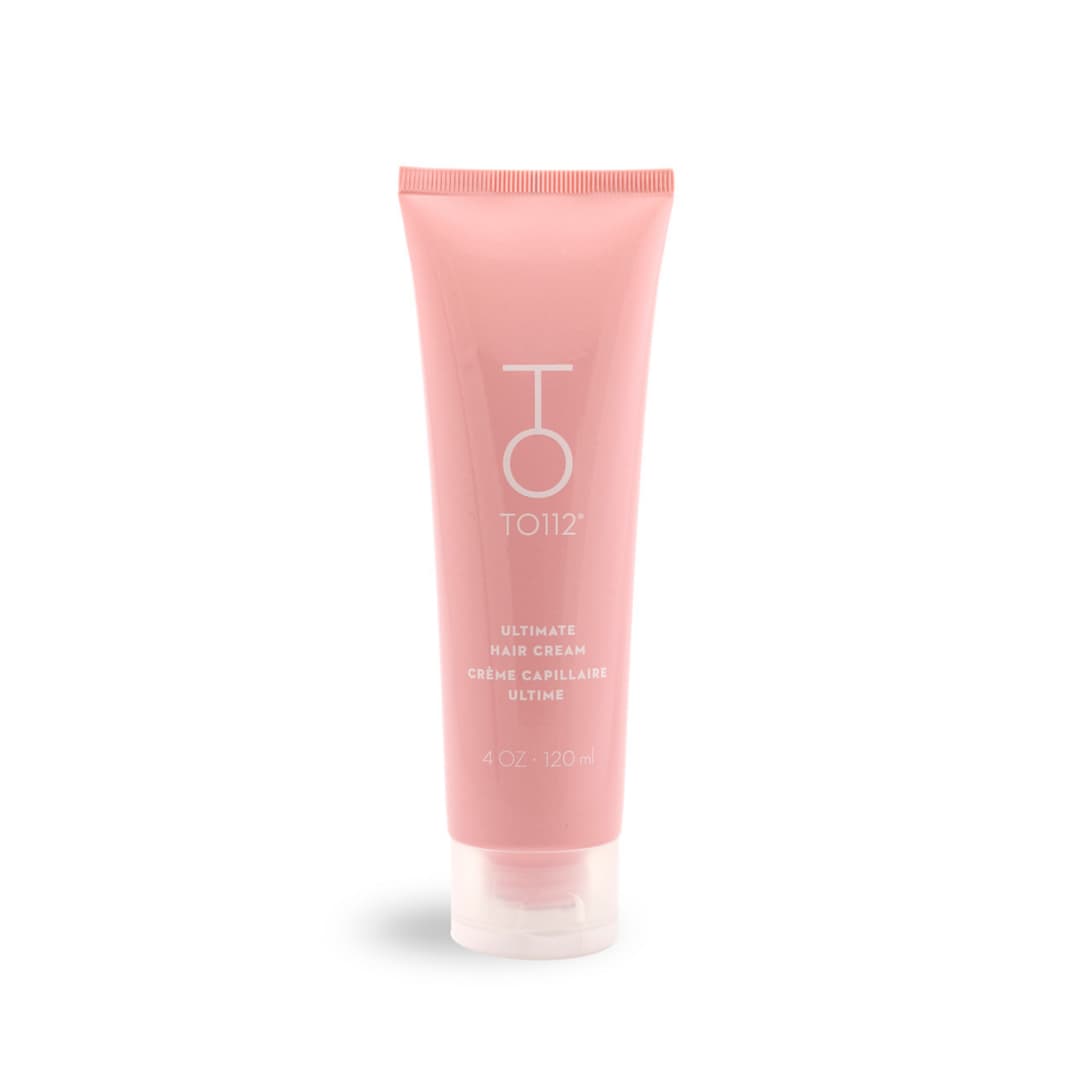
Ultimate Hair Cream
The world’s most versatile leave-in styling cream. Formulated with tamanu oil, pomegranate oil, and camellia extract — the ideal air-dry companion for every hair type.
Apply a dime-sized amount to towel-dried hair, combing through from mid-length to ends. For curls, scrunch from root to tip and let your texture define itself. The cream’s dimethicone forms a gentle barrier around each strand — protecting against moisture-driven cortex swelling while tamanu and pomegranate oils nourish from the outside. The result is hair that air dries softer, smoother, and more intact.
Frequently Asked
Common questions, answered directly
Does air drying actually damage your hair?
Not inherently — but unprotected air drying can. Leaving hair soaking wet for hours lets the cortex swell and shrink repeatedly, which weakens internal structure over time. A leave-in cream applied while hair is damp largely offsets this risk.
How long is too long for hair to air dry?
There’s no universal cutoff, but osmotic stress starts accumulating after roughly 15 minutes of full saturation. Thick or coarse hair that takes two to four hours to dry unprotected is under meaningfully more stress than hair coated in a barrier product first.
Is air drying better than blow drying for curly hair?
Generally, yes — heat disrupts the hydrogen bonds that hold curl pattern together, so air drying preserves texture better. Curly hair is also more porous, though, so it needs a moisturizing leave-in before it sets to avoid frizz and dryness.
Do I need product before I air dry my hair?
Yes, if you want to minimize damage. A leave-in cream applied to damp hair creates a barrier that reduces how much water penetrates the cortex, cutting down on hygral fatigue, swelling, and breakage compared to drying completely bare.
Can air drying cause frizz?
It can, since uneven moisture uptake lifts the cuticle as hair dries. A leave-in cream smooths the cuticle and slows moisture loss, which is why the same product that protects against damage also tends to reduce air-dry frizz.
Medical Disclaimer: This article is for informational and educational purposes only and does not constitute medical advice. Individual hair health varies. For persistent breakage, thinning, or scalp concerns, consult a licensed trichologist or dermatologist. TO112 products are cosmetic formulations and are not intended to diagnose, treat, cure, or prevent any medical condition.


